Reader Remodels
How homeowners and DIY enthusiasts brought pool tables into newly renovated spaces—and what they learned along the way.
Orientation — What This Is
When you're planning a basement remodel or game room renovation, a pool table isn't just furniture—it's the centerpiece that anchors the whole room. We've heard from dozens of readers who've taken on this project, and they've all faced the same questions: Can our floor handle it? How do we get it down the stairs? When does the timing matter most? This page gathers real experiences from readers who've lived through it, so you can plan your own project with more confidence than guessing.
The Detail
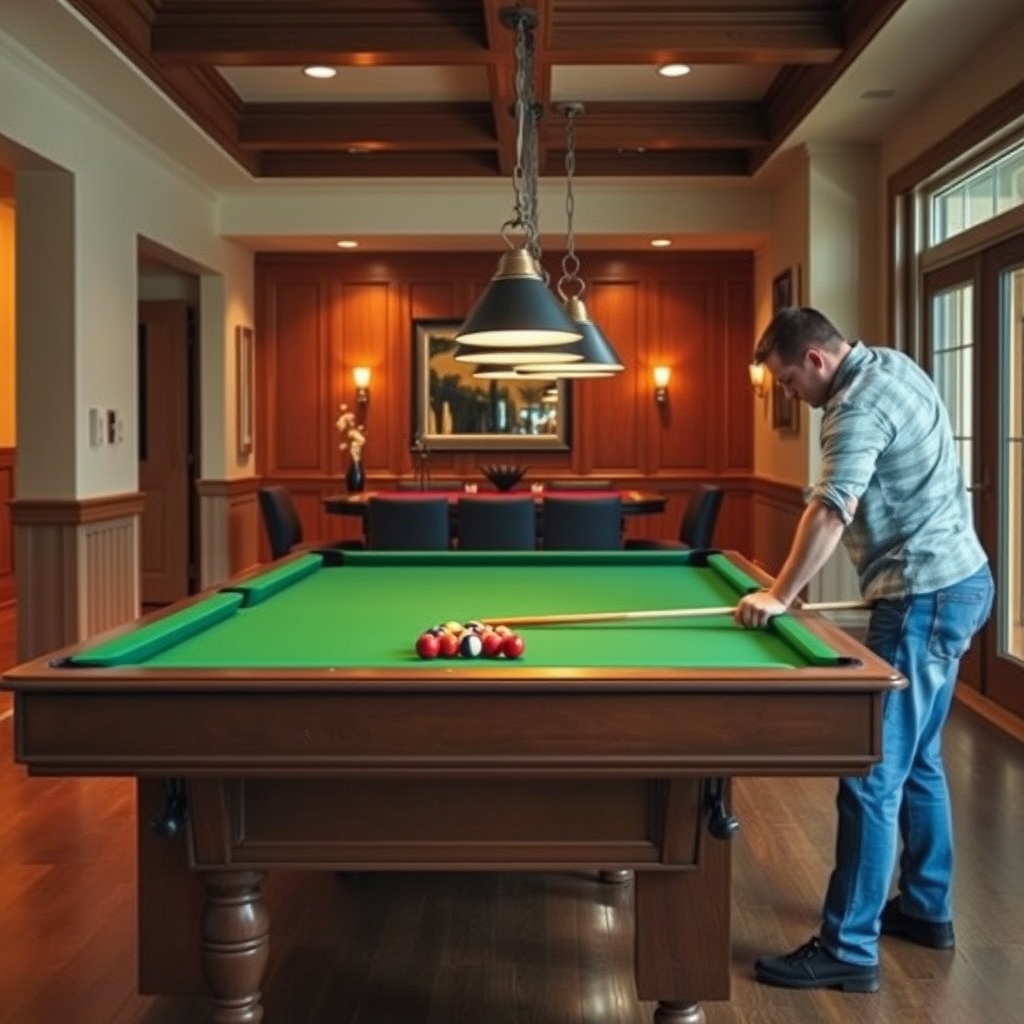
The Reference Table
The weight of a slate pool table isn't something to guess about. Most residential slate tables run between 700 and 1,000 pounds for a 7-foot table, and an 8-footer can top 1,400 pounds. Wood bar-top tables are lighter—around 300 to 500 pounds—but they're less common in home remodels where durability matters. When you're planning a basement installation, these numbers are what your floor engineer looks at when you ask, "Is this safe?"
A pool table isn't something you install once and forget about. It has to live with you for decades, which means the setup matters as much as the table itself.
The frame underneath carries the whole load on four legs, which means you're not spreading weight evenly across the floor—you're concentrating it at four points. A room built for general living space (which assumes 40 pounds per square foot of live load) can feel very different when 1,200 pounds sits on four feet scattered across 5 square feet. That's the conversation you have with a structural engineer or a careful basement finisher before you commit to a spot.
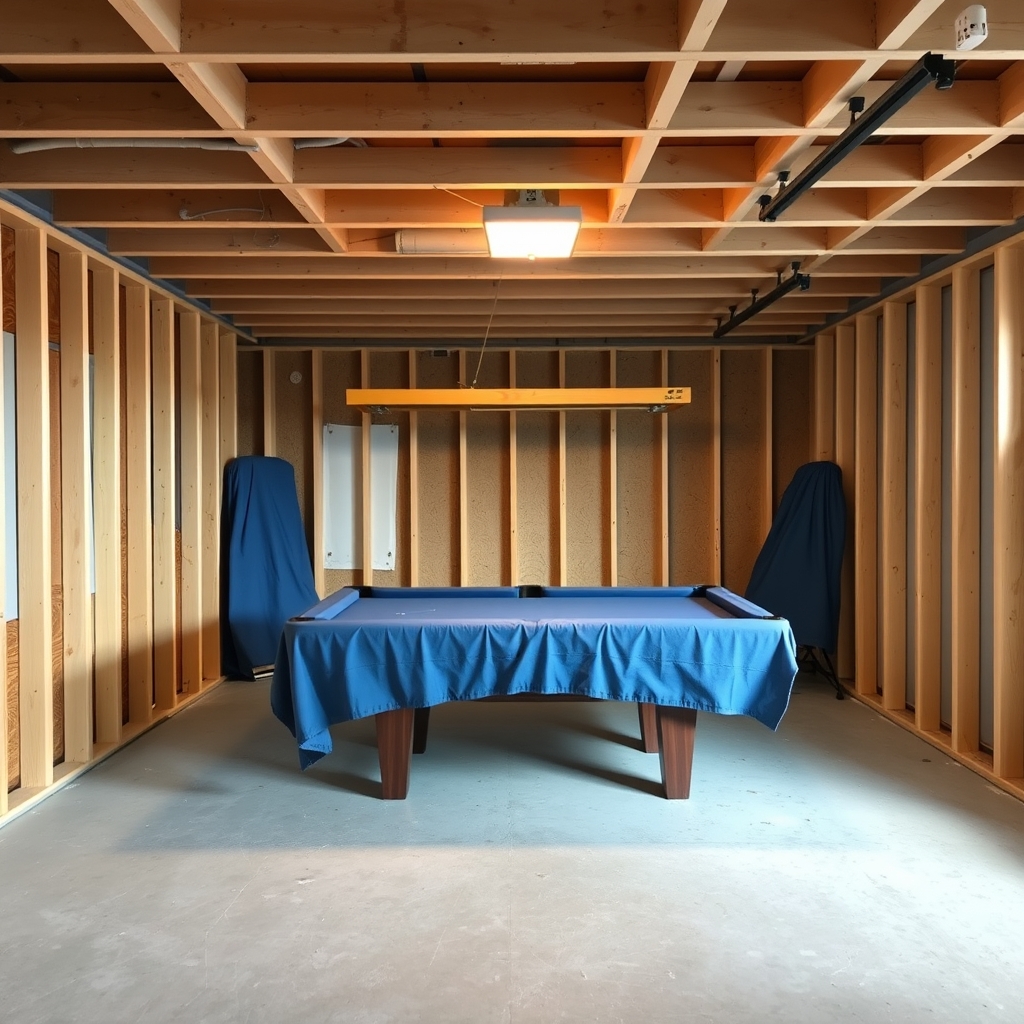
Next Step
Before you move forward, measure your doorways, stairwells, and the room where the table will live. Write down the table's dimensions (including height when disassembled), and photograph the path it will take through your house. Share those photos with the installer or mover you're considering—they've moved enough tables to spot problems in a photo that a homeowner might miss. Getting this right before delivery day saves you from discovering that the table won't fit through your basement door after it's already on the truck.